Headline
Anthropic’s Claude Evolves: Multi-Agent Orchestration and Self-Improvement for Enterprise AI
Intro
Anthropic just rolled out game-changing updates to Claude Managed Agents, introducing features like “dreaming,” “outcomes,” and “multiagent orchestration.” These aren’t just buzzwords—they’re tools that can transform how teams build and deploy AI in real-world operations.
What happened
On May 7, 2026, Anthropic announced three new features for Claude Managed Agents:
Dreaming: A research preview where Claude reviews past sessions to spot patterns and improve itself. It’s like giving your AI agent a memory boost and self-reflection capability.
Outcomes: Define what success looks like for a task, and a separate grader evaluates the agent’s work. This adds accountability and measurable results.
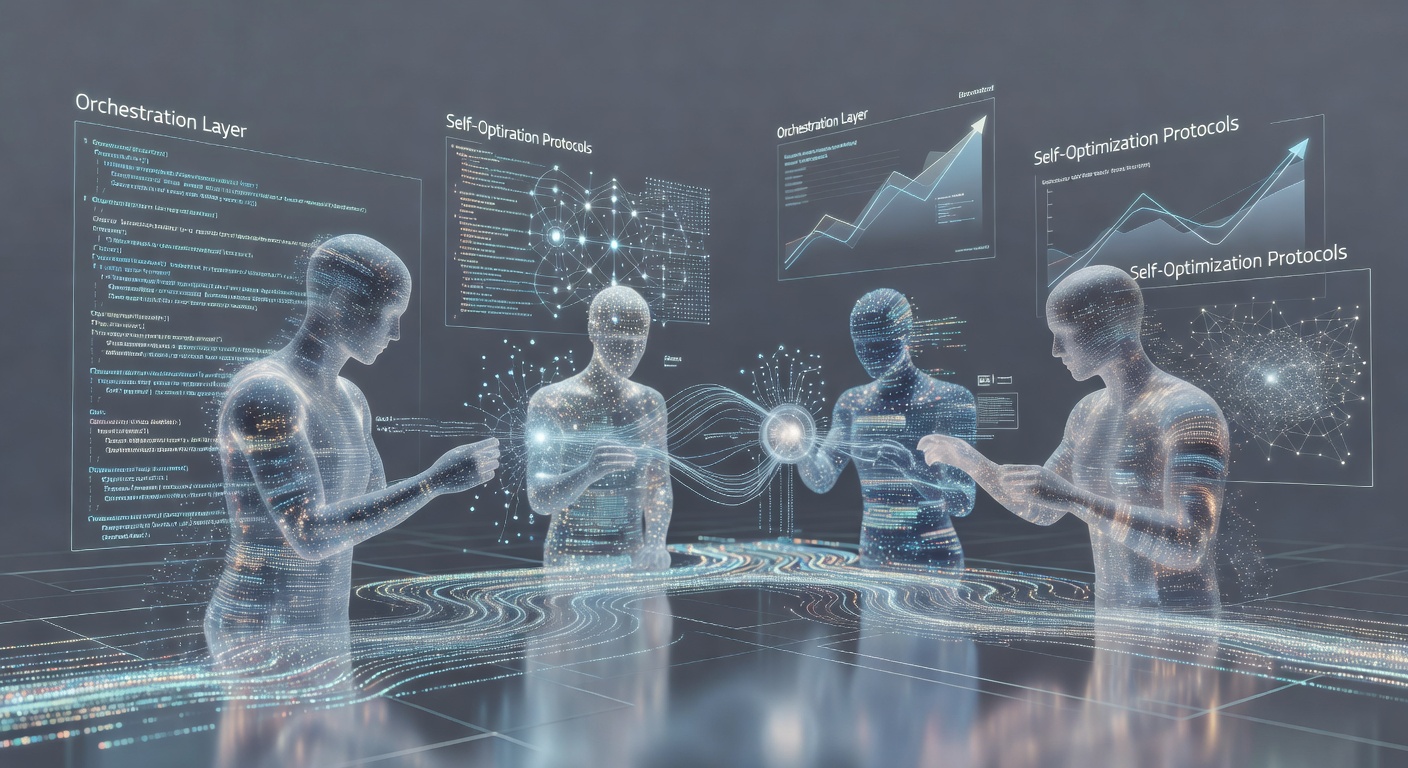
Multiagent orchestration: A lead agent breaks down complex tasks and delegates to specialized sub-agents, enabling collaborative AI workflows.
These build on Claude’s existing strengths, making it more capable for enterprise use cases.
Why it matters
In enterprise AI, single agents often fall short for complex workflows. Multi-agent systems allow for specialization and collaboration, mirroring how human teams work. This can reduce errors, speed up processes, and handle more sophisticated tasks like multi-step data analysis or cross-department coordination. Commercially, it means faster ROI on AI investments by automating more of the value chain.
Who should care
- AI architects designing scalable systems
- Engineering leaders integrating AI into operations
- Product teams building agent-based applications
- Consultants advising on AI adoption
If you’re dealing with AI that needs to handle real business complexity, this is relevant.
What most people are missing
Many see agents as glorified chatbots, but Anthropic’s approach emphasizes safety and controllability. The “outcomes” feature ensures alignment with business goals, while “dreaming” enables continuous improvement without constant retraining. This could lower maintenance costs and make AI more adaptable to changing business needs.
What to do next
- Evaluate your current AI workflows for multi-agent potential—look for tasks that involve multiple steps or expertise areas.
- Prototype with Claude’s new features in a sandbox environment.
- Measure outcomes using the built-in grader to quantify improvements.
- Consider integration with existing tools for orchestration.
Start small with one workflow to test the waters.
Bottom line
Anthropic is pushing agentic AI forward with practical tools that make enterprise deployment more feasible. If you’re not exploring multi-agent systems, you might be left behind—now’s the time to experiment.